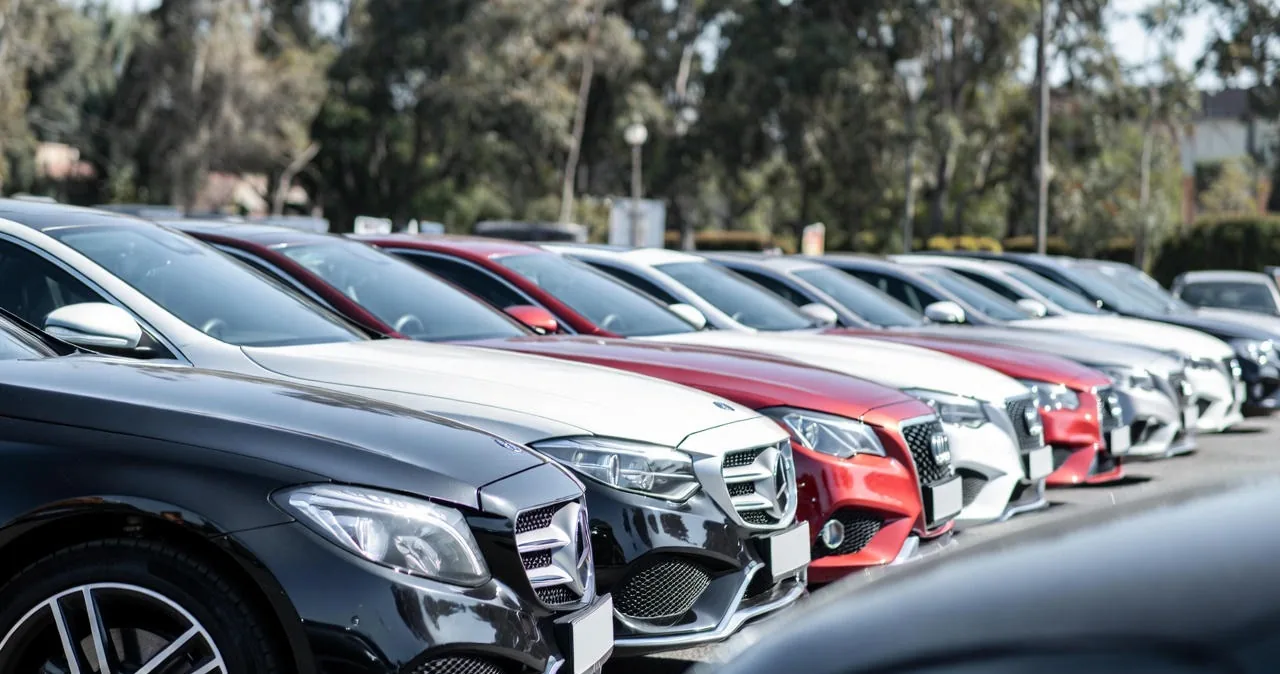
Twenty vehicles, no two alike, and a client who needed all of them to read as one company without taking the fleet off the road. Here is what that job actually involved: the design decisions, the scheduling puzzle, and how the vinyl has held up under daily service since.
Project Overview and Objectives
The client runs a premium limousine service, and their fleet had grown the way most fleets do: one purchase at a time. Twenty vehicles, several makes and models, and no two that looked like they belonged to the same company. The brief had three parts. Put one identity on all 20, sharp enough to get noticed and restrained enough that a luxury car still reads as a luxury car. Protect the paint underneath, because these vehicles are worth real money and their condition has to hold. And keep the name visible everywhere the fleet drives. Over all of that sat the constraint that shaped the whole job: the cars were in active service, so our schedule had to bend around their bookings, not the other way around.
Design Development and Customization
The design work started with the brand, not the vehicles: who the client serves, what the name promises, where the company wants to sit in its market. From there we built a colour scheme and layout that could survive the jump from a sedan’s low flanks to an SUV’s taller panels without losing its proportions. The graphics carry the logo, the contact information, and not much else. On a luxury fleet, restraint is the design. Every body style got its own round of adjustments, and the artwork went through several revisions before anything was printed, because a layout that sits perfectly on one quarter panel lands on a door seam on the next model over. That vehicle-by-vehicle fussing is the part of a fleet project you cannot skip.
Installation Process and Efficiency
You cannot wrap 20 working vehicles by asking for all the keys at once. We split the fleet into batches, took a few cars at a time, and slotted the installs into the client’s slow periods so their calendar barely felt it. Each vehicle had a projected timeframe, and each one hit it. The harder discipline was consistency. Car number seventeen has to match car number one: same tension, same edges, same finish. Nothing went back into service without a detailed inspection, because on a fleet, one sloppy corner undoes the point of the whole exercise.
Results and Brand Impact
The fleet came out looking like one company, which is what the client paid for. What they got beyond that: twenty mobile billboards moving through the service area all day, passing thousands of potential customers daily, doing advertising work the vehicles were already positioned to do. The client tells us the brand gets recognized more often now, and that customers bring up the fleet’s appearance without being asked. The vinyl also does quieter work underneath. It takes the stone chips and the salt spray so the factory paint does not, which matters to any business that eventually renews its fleet. The wraps have taken daily Ottawa use ever since, and they still look the way they did on handover day.
Lessons Learned and Best Practices
If you are weighing a fleet job of your own, here is what this one confirmed for us. Plan longer than feels necessary, because the design phase is where fleet projects are won. Schedule installs around the operation, in batches, and be honest about timeframes. Hold every vehicle to the same standard and inspect before release, not after a complaint. And hire installers who have done fleets before, because the skills that wrap one show car do not automatically scale to twenty working vehicles. Done right, a single project buys three things at once: a brand people notice, paint that stays protected, and a fleet that looks like somebody runs it properly.